

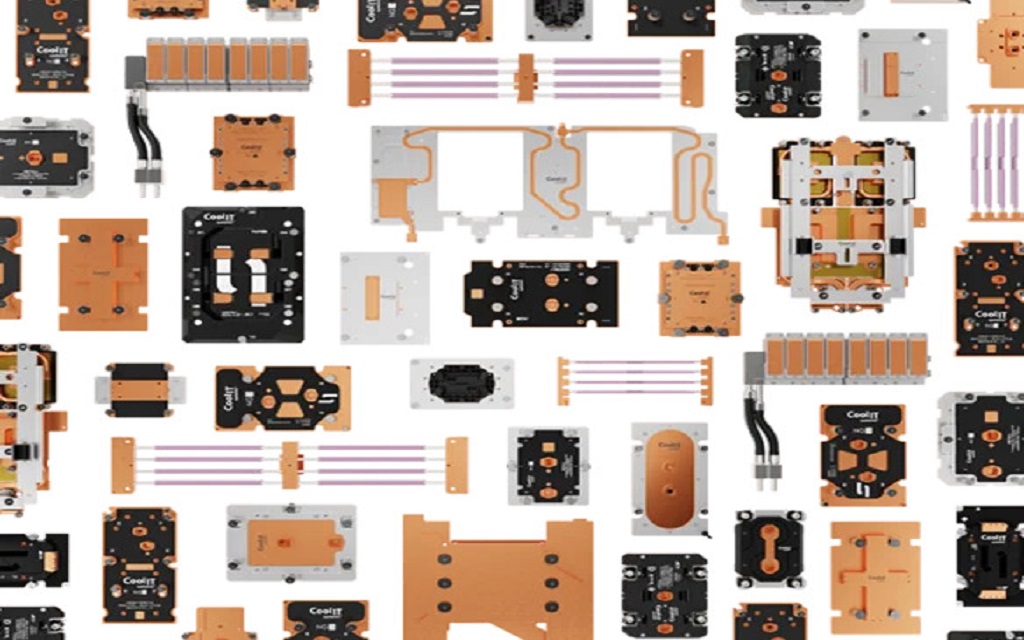
Artificial intelligence, machine learning, and high-performance computing workloads are transforming the way modern data centres operate. As processors become more powerful, they generate significantly more heat than traditional air-based cooling methods can efficiently manage. This is where advanced thermal management solutions, including processor coldplates, play an important role. Selecting the right cooling technology requires careful evaluation of thermal performance, design quality, material selection, scalability, and operational requirements. Understanding how coldplates work and what factors influence their performance can help technology teams make informed decisions when planning AI infrastructure.
Table of Contents
- Understanding Processor Coldplates in AI Data Centers
- Key Factors When Choosing Reliable Processor Coldplates
- The Role of Processor Coldplates in Sustainable Data Center Operations
- How Engineering Expertise Improves Coldplate Reliability
- Common Mistakes to Avoid When Selecting Processor Coldplates
- Choosing Based Only on Initial Cost
- Ignoring Future Processor Requirements
- Overlooking System Integration
- Frequently Asked Questions
- What are processor coldplates used for?
- How do processor coldplates improve AI data center performance?
- Are liquid cold plates better than traditional cooling solutions?
- What materials are commonly used in cold plate manufacturing?
- How do organizations select reliable processor coldplates?
- Can processor coldplates support future AI technologies?
- Conclusion
Understanding Processor Coldplates in AI Data Centers
What Are Processor Coldplates?
A processor coldplate is a specialized thermal component designed to transfer heat away from high-performance processors. Instead of relying only on airflow, these solutions use liquid cooling principles to absorb and move heat more effectively. The design typically includes a surface that directly contacts the processor while internal channels allow cooling liquid to flow through the component.
As the liquid passes through the cold plate, it captures heat and transfers it away from the processor to maintain optimal operating conditions. Modern AI servers require advanced cooling because processors for AI workloads can operate at much higher power levels than in previous generations. Coldplates help address these challenges by providing efficient heat removal directly at the source.

Why Do AI Data Centers Require Advanced Cooling Technologies?
AI workloads involve complex calculations that require powerful CPUs, GPUs, and specialized accelerators. These components often operate continuously at high utilization levels, creating substantial thermal demands.
Without effective cooling, excessive heat can impact:
- Hardware performance
- System reliability
- Energy consumption
- Equipment lifespan
- Data center operating efficiency
For organizations managing AI infrastructure, selecting dependable cold plates is an important part of maintaining consistent computing performance.
Key Factors When Choosing Reliable Processor Coldplates
1. Evaluate Thermal Performance and Heat Transfer Capability
The primary purpose of a cooling solution is effective heat management. When selecting coldplates, it is important to consider their ability to transfer heat efficiently from processors into the cooling system.
Important performance factors include:
- Thermal resistance
- Heat dissipation capacity
- Flow efficiency
- Temperature consistency
- Pressure drop characteristics
High-quality designs allow processors to operate within recommended temperature ranges, supporting reliable performance during intensive AI workloads.
2. Consider Material Quality and Manufacturing Precision
The materials used in a cold plate directly influence thermal conductivity, durability, and reliability.
Common materials include:
- Copper for excellent thermal conductivity
- Aluminum for lightweight applications
- Advanced alloys for specialized requirements
A well-engineered cold plate requires precision manufacturing to ensure proper contact between the processor and cooling surface. Even small design issues can reduce heat transfer effectiveness or create long-term reliability concerns.
3. Review Liquid Cooling Compatibility
Modern AI data centers increasingly rely on liquid cooling because it offers greater efficiency than traditional cooling approaches. Liquid cold plates are designed to work with dedicated cooling loops that circulate fluid throughout server infrastructure.
When evaluating solutions, organizations should review:
- Coolant compatibility
- System integration requirements
- Maintenance considerations
- Long-term operating stability
A properly designed liquid cooling system can support higher rack densities while helping reduce cooling-related energy demands.
4. Assess Scalability for Future Computing Requirements
Data center operators should consider whether selected cooling technology can support future processor generations and increasing power requirements.
Reliable cooling solutions should offer:
- Flexible deployment options
- Compatibility with advanced server designs
- Support for increasing computing density
- Long-term adaptability
AI infrastructure continues to evolve quickly. Choosing scalable processor coldplates helps organizations prepare for future AI expansion without requiring major infrastructure changes.
The Role of Processor Coldplates in Sustainable Data Center Operations
Energy efficiency has become a major consideration for data center operators. Across Canada, organizations are increasingly focused on improving infrastructure efficiency while supporting growing digital demands.
Traditional cooling approaches often require significant energy consumption to move large volumes of air. Liquid-based solutions improve efficiency by transferring heat more directly from high-power components. Advanced coldplates support more efficient thermal management by reducing cooling challenges associated with high-density AI workloads.
When properly implemented, liquid cooling technology can help data centers:
- Improve energy utilization
- Support higher computing capacity
- Reduce thermal limitations
- Optimize infrastructure performance
For organizations investing in AI systems, efficient cooling is not only a technical requirement but also an important factor in responsible infrastructure planning.
How Engineering Expertise Improves Coldplate Reliability
Reliable cooling solutions require more than basic heat transfer capability. Engineering expertise plays a major role in designing systems that perform consistently under demanding conditions.
Professional thermal engineers evaluate multiple factors, including:
- Processor heat output
- Cooling fluid behaviour
- Server architecture
- Flow distribution
- Long-term reliability requirements
Selecting solutions supported by proven engineering experience provides confidence that cooling systems can perform effectively under continuous workloads. CoolIT Systems specializes in advanced liquid cooling technologies for demanding computing environments.
Common Mistakes to Avoid When Selecting Processor Coldplates
Choosing Based Only on Initial Cost
Lower upfront costs may appear attractive, but cooling performance and reliability are critical considerations for AI infrastructure.
A poorly matched cooling solution can lead to:
- Higher operating costs
- Reduced performance
- Additional maintenance requirements
- Infrastructure limitations
Ignoring Future Processor Requirements
AI hardware continues to advance rapidly. Selecting cooling technology based only on current requirements may create challenges as computing demands increase. Organizations should consider future workloads before investing in thermal management solutions.
Overlooking System Integration
Processor cooling does not operate independently. It must integrate effectively with server designs, cooling distribution systems, and overall data center equipment. A complete evaluation helps ensure reliable operation and long-term performance.
Frequently Asked Questions
What are processor coldplates used for?
Processor coldplates are used to remove heat from high-performance processors in computing systems. They are commonly used in AI servers, high-performance computing platforms, and modern data centers where processors generate significant heat.
How do processor coldplates improve AI data center performance?
Coldplates improve performance by transferring heat away from processors more efficiently than traditional air cooling methods. Maintaining stable temperatures allows AI hardware to operate reliably during demanding workloads.
Are liquid cold plates better than traditional cooling solutions?
Liquid cold plates can provide more efficient heat removal for high-density computing environments because liquids transfer heat more effectively than air. They are particularly valuable for AI applications requiring powerful processors.
What materials are commonly used in cold plate manufacturing?
Copper and aluminum are commonly used materials. Copper is widely selected because of its strong thermal conductivity, while aluminum may be preferred when weight considerations are important.
How do organizations select reliable processor coldplates?
Organizations should evaluate thermal performance, manufacturing quality, compatibility with existing infrastructure, scalability, and long-term reliability when selecting coldplates.
Can processor coldplates support future AI technologies?
Yes. Properly designed cooling solutions can support evolving AI hardware by managing increasing processor power levels and enabling higher computing densities.

Conclusion
As AI workloads continue to expand, data centers require dependable thermal management strategies that can support powerful processors while maintaining efficiency and reliability. Choosing the right processor coldplates involves evaluating thermal performance, material quality, scalability, and compatibility with modern liquid cooling systems. The right solution helps organizations build infrastructure prepared for current and future computing demands. Advanced cooling technologies provide an important foundation for AI data centers seeking improved performance, operational stability, and efficient resource management.
Looking for reliable processor cooling expertise nearby? Find trusted thermal management specialists on the map and explore advanced solutions for AI data center infrastructure.