

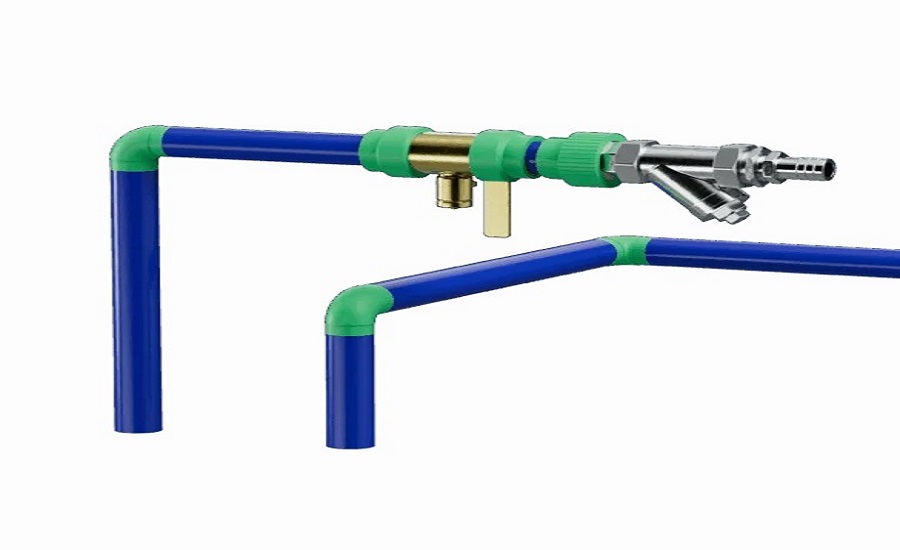
Modern computing environments are rapidly evolving, driven by artificial intelligence, machine learning, and high-performance workloads. As processing demands grow, traditional air-based cooling methods often struggle to keep up. This is where AI server liquid cooling becomes essential for maintaining performance, stability, and scalability in dense computing infrastructures. Liquid-based thermal management has become a cornerstone of next-generation data centers, enabling efficient heat removal directly from high-power processors. Among these solutions, direct liquid cooling servers are increasingly recognized as a reliable path toward long-term scalability and energy efficiency.
Table of Contents
- Understanding AI Server Liquid Cooling
- How Direct Liquid Cooling Servers Work
- Advantages of Liquid-Cooled Servers in AI Environments
- Role of Advanced Server Cooling Systems
- Designing a Future-Ready Cooling Strategy
- Sustainability and Efficiency Impact
- Future of AI Server Liquid Cooling
- Conclusion
- FAQs
- What makes server liquid cooling different from traditional cooling methods?
- Are direct liquid cooling servers suitable for all types of workloads?
- How do liquid-cooled servers improve operational efficiency?
- What should be considered before implementing advanced server systems?
- Can liquid cooling support future AI growth and scalability?
- FAQs
Understanding AI Server Liquid Cooling
AI workloads generate significant heat due to continuous, high-intensity processing. Choosing AI server liquid cooling uses specialized fluid systems to transfer heat away from critical components more efficiently than air-based systems. Unlike traditional airflow cooling, liquid cooling delivers thermal conductivity directly to heat sources, improving system stability under heavy computational loads.
Why It Matters for Modern Infrastructure?
- Supports high-density computing environments
- Reduces thermal throttling in AI workloads
- Enhances system lifespan and reliability
- Improves overall energy efficiency

How Direct Liquid Cooling Servers Work
Direct liquid-cooled servers use a closed-loop system in which coolant is circulated near heat-generating components such as CPUs and GPUs. Heat is absorbed and transferred away through liquid channels, significantly reducing thermal buildup.
Core Working Principles
Liquid coolant makes direct contact with heat sinks or cold plates, capturing heat more effectively than air. Pump systems regulate flow, ensuring consistent cooling across all server components. The warmed coolant is transferred to a heat exchanger, where it releases heat before recirculation. This approach allows liquid-cooled servers to maintain optimal performance even under continuous AI processing loads.
Advantages of Liquid-Cooled Servers in AI Environments
As artificial intelligence workloads continue to expand in scale and complexity, data centers require more advanced cooling approaches to support sustained high-performance computing. Liquid-cooled servers are increasingly the preferred solution due to their ability to efficiently manage extreme heat loads while enabling greater scalability and energy optimization.
Key Benefits
Enhanced Thermal Efficiency
Liquid has a higher heat capacity than air, making it more effective for cooling high-performance processors. As a result, systems maintain lower, more stable operating temperatures, even during continuous heavy workloads such as model training and large-scale inference.
Improved System Density
More computing power can be deployed in a smaller physical footprint without overheating risks. Organizations can scale computing power without proportionally expanding facility size, reducing infrastructure costs and improving deployment efficiency.
Lower Energy Consumption
Reduced reliance on large-scale air conditioning systems in Calgary leads to more efficient use of power. Improved thermal efficiency contributes to better Power Usage Effectiveness (PUE), supporting both cost savings and sustainability goals.
Stable AI Performance
Consistent thermal control minimizes performance drops during intensive AI training and inference tasks. Liquid maintains steady temperatures, allowing hardware to operate at peak performance for longer periods.
Role of Advanced Server Cooling Systems
Advanced server cooling systems are designed to meet the growing demands of data center AI-driven infrastructure. These systems integrate intelligent monitoring, adaptive flow control, and modular designs to support scalability.
Key Features
- Smart Thermal Monitoring: Sensors continuously track temperature and adjust levels in real time.
- Modular Architecture: Systems can be expanded easily as computational needs grow.
- Hybrid Compatibility: Some infrastructure systems combine liquid and air for optimized performance.
Common Challenges
Scaling AI infrastructure introduces unique cooling challenges. As workloads grow, heat output increases exponentially, requiring more advanced thermal solutions.
- Heat Concentration: High-density GPU clusters generate localized heat zones.
- Infrastructure Expansion: Traditional cooling systems often require major redesigns to scale.
- Energy Efficiency Pressures: Balancing performance and sustainability is becoming increasingly complex.
How Liquid Cooling Helps
Liquid systems offer flexible scalability, allowing incremental expansion without disrupting existing infrastructure. Companies like CoolIT Systems are contributing to the evolution of these solutions, helping organizations transition toward more efficient thermal management strategies.

Upgrade your infrastructure with smarter liquid-cooling strategies designed for AI-driven scalability and long-term performance efficiency.
Designing a Future-Ready Cooling Strategy
A successful deployment of direct liquid cooling servers requires careful planning and system integration. Sustainability is becoming a key focus in data infrastructure design. It supports environmental goals by reducing energy waste and improving thermal efficiency.
Strategic Considerations
Understanding the intensity of AI workloads helps determine requirements. Cooling systems must align with server architecture and facility layout. Efficient access to components ensures long-term reliability. Smart design reduces unnecessary energy consumption while maintaining peak performance.
Sustainability and Efficiency Impact
Environmental Advantages
- Lower carbon footprint through reduced energy demand
- Reduced dependence on traditional air systems
- Improved resource utilization in high-density environments
This makes liquid-cooled servers a strong choice for organizations focused on long-term efficiency and sustainability.
Future of AI Server Liquid Cooling
The future of data infrastructure is closely tied to liquid-based thermal management. As AI continues to evolve, cooling systems must adapt to higher performance demands. These advancements position advanced server cooling systems as a core foundation for next-generation digital infrastructure.
Emerging Trends
- Greater Adoption of Direct Architectures
- Integration with AI-driven thermal management tools
- Increased focus on energy-aware computing systems
Conclusion
AI workloads are transforming how data centers operate, and efficient cooling has become essential for maintaining performance and scalability. It offers a powerful solution for managing heat in high-density environments, especially through direct-liquid-cooled servers and modern liquid-cooled servers designed for demanding applications. By adopting advanced server systems, organizations can achieve better efficiency, improved stability, and long-term scalability. To explore tailored cooling strategies, check the location in the expert solution at CoolIT Systems and discover how innovative thermal technologies can support future-ready infrastructure.

FAQs
What makes server liquid cooling different from traditional cooling methods?
AI server cooling uses a fluid to directly absorb heat from components, offering higher efficiency than air-based systems. It is especially effective for high-performance workloads where heat generation is continuous and intense.
Are direct liquid cooling servers suitable for all types of workloads?
Direct liquid-cooled servers are most beneficial for high-density, compute-intensive workloads such as AI training and data analytics. They may not be necessary for low-intensity applications, but they excel in environments requiring consistent high performance.
How do liquid-cooled servers improve operational efficiency?
Liquid-cooled servers reduce reliance on large air-conditioning systems and improve heat transfer efficiency. This leads to lower energy usage, better performance stability, and reduced hardware stress over time.
What should be considered before implementing advanced server systems?
Key considerations include workload intensity, infrastructure compatibility, scalability requirements, and long-term maintenance planning. Proper assessment ensures smooth integration and optimal performance outcomes.
Can liquid cooling support future AI growth and scalability?
Yes, it is designed for scalability. It allows systems to expand without major infrastructure redesigns, making it ideal for evolving AI workloads and increasing computational demands.